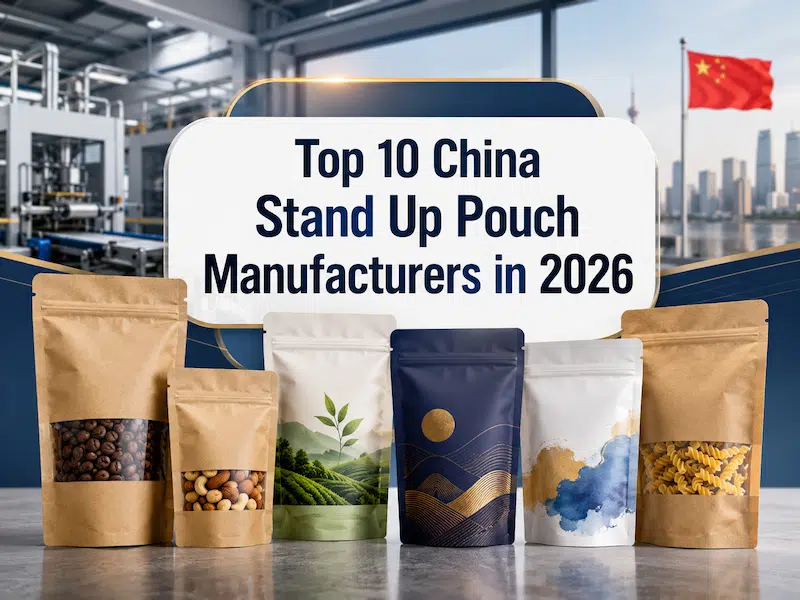

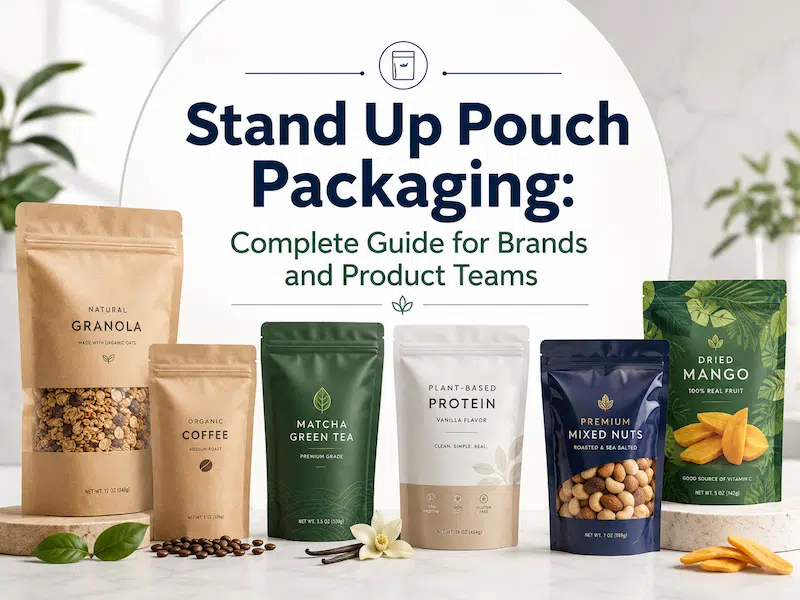
Stand up pouch packaging has become one of the most practical packaging formats for food, beverage, pet care, personal care, supplements, household products, and many other consumer goods.
It stands up right on a shelf, protects the product inside, uses less material than many rigid containers, and gives brands a large printable surface for design, product information, and storytelling.
But choosing the right stand up pouch is not just about picking a bag that looks good. A good pouch needs to match your product, filling process, shelf life requirements, budget, brand positioning, and customer experience.
This complete guide walks you through the main decisions you need to make before ordering stand up pouch packaging. It is written for brand owners, product developers, sourcing managers, and marketing teams who want packaging that looks professional and performs reliably.
What Is Stand Up Pouch Packaging?
A stand up pouch is a flexible packaging bag designed with a bottom gusset that allows it to stand upright when filled. This makes it easier to display on retail shelves, store in pantries, and handle during shipping.
Most stand up pouches are made from laminated films. These films can combine different layers for strength, print quality, moisture resistance, oxygen barrier, aroma protection, puncture resistance, or sustainability goals.
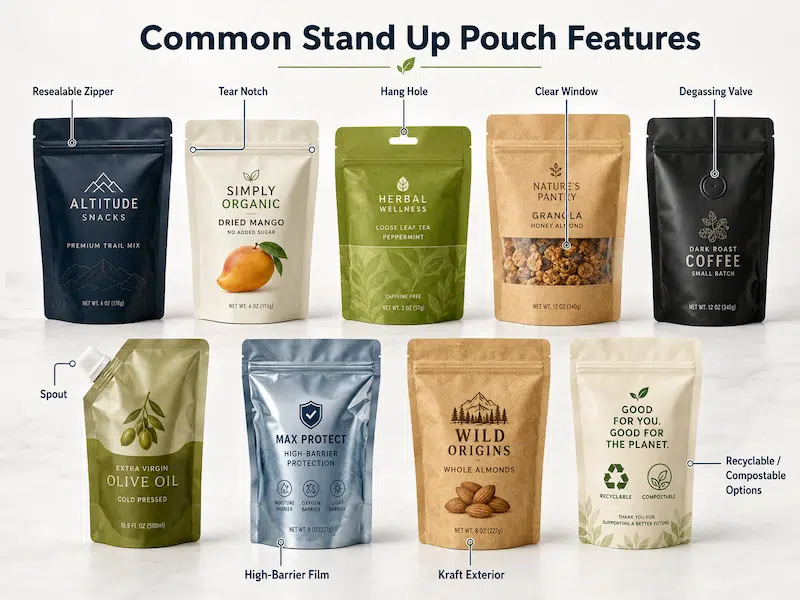
Common features include resealable zippers, tear notches, hang holes, clear windows, degassing valves, spouts, high-barrier films, kraft paper exteriors, and recyclable or compostable material options.
The right combination depends on what you sell and how your customers use the product after opening.
Why Brands Choose Stand Up Pouches
Stand up pouches are popular because they solve several packaging problems at the same time.
They are lightweight, which can reduce shipping and storage costs. They also take up less space than jars, cans, tubs, and boxes before filling. For growing brands, this can make inventory easier to manage.
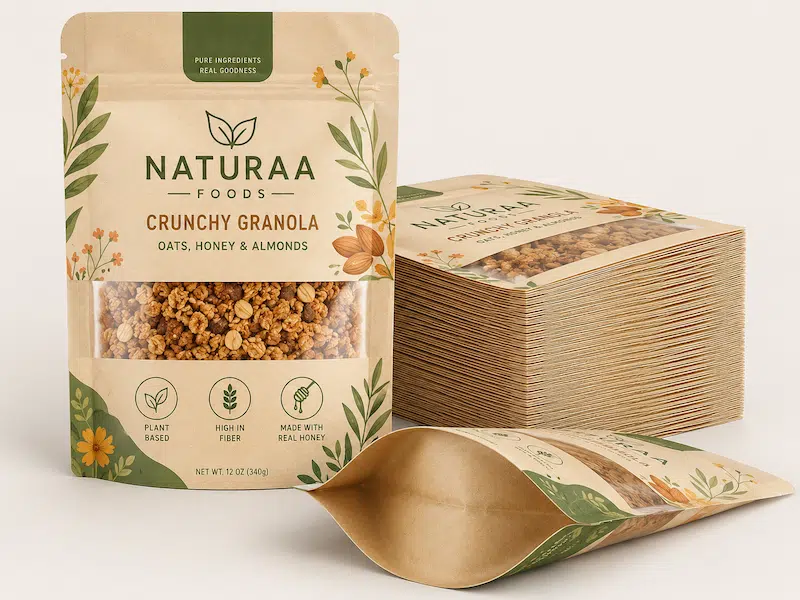
From a marketing perspective, the front and back panels provide enough room for branding, product claims, instructions, nutrition facts, certifications, and QR codes. A pouch can look clean and premium without needing an outer carton.
From a customer perspective, the format is convenient. A zipper keeps the product usable after opening. A window lets shoppers see the product. A spout makes liquids or powders easier to pour. A valve helps coffee release gas while maintaining freshness.
In short, stand up pouch packaging is not only a container. It is part of the product experience.
Common Products Packed in Stand Up Pouches
Stand up pouches are flexible enough to work across many industries.
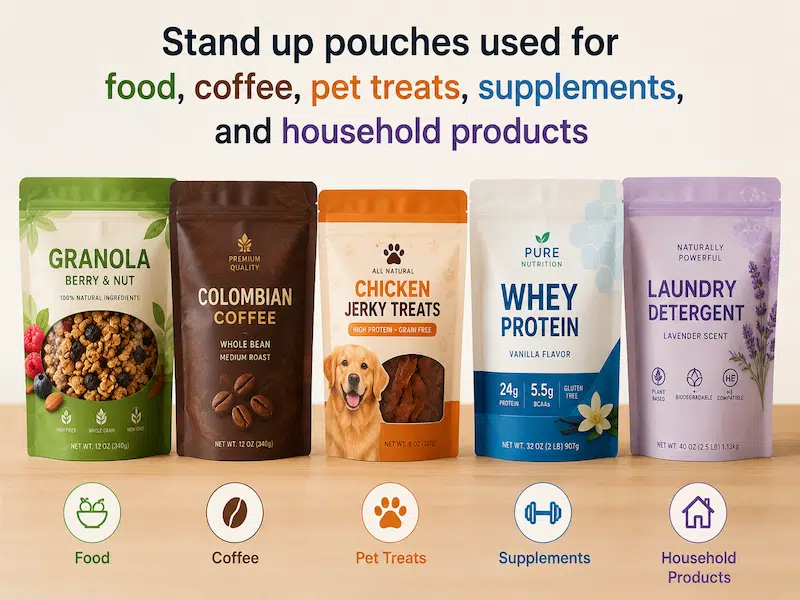
They are especially common for dry goods, powders, snacks, and products that need good shelf visibility.
| Product category | Common examples | Packaging focus |
|---|---|---|
| Food and snacks | Granola, nuts, dried fruit, candy, gummies, rice, grains, flour | Moisture protection, shelf display, resealability |
| Coffee and tea | Coffee beans, ground coffee, loose leaf tea, tea blends | Aroma protection, barrier film, valve options |
| Powders and supplements | Protein powder, drink mixes, spices, seasonings | Barrier performance, easy scooping or pouring |
| Pet products | Pet treats, pet food, supplements | Durability, resealable zipper, larger sizes |
| Liquids and refills | Sauces, beverages, gels, cleaning refills | Spout, cap, seal strength, leak resistance |
| Personal care and household | Bath salts, seeds, fertilizer, household products | Puncture resistance, moisture protection, clear labeling |
If your product needs to stand on a shelf, protect freshness, and communicate brand value quickly, a stand up pouch is usually worth considering.
Main Types of Stand Up Pouch Packaging
There is no single standard pouch that works for every product. Most projects start by choosing the stand up pouch style and then adding the features needed for protection and usability.
Standard Stand Up Pouches
This is the most common format. It has a front panel, back panel, and bottom gusset. It is suitable for snacks, powders, dry food, supplements, and many general consumer products.
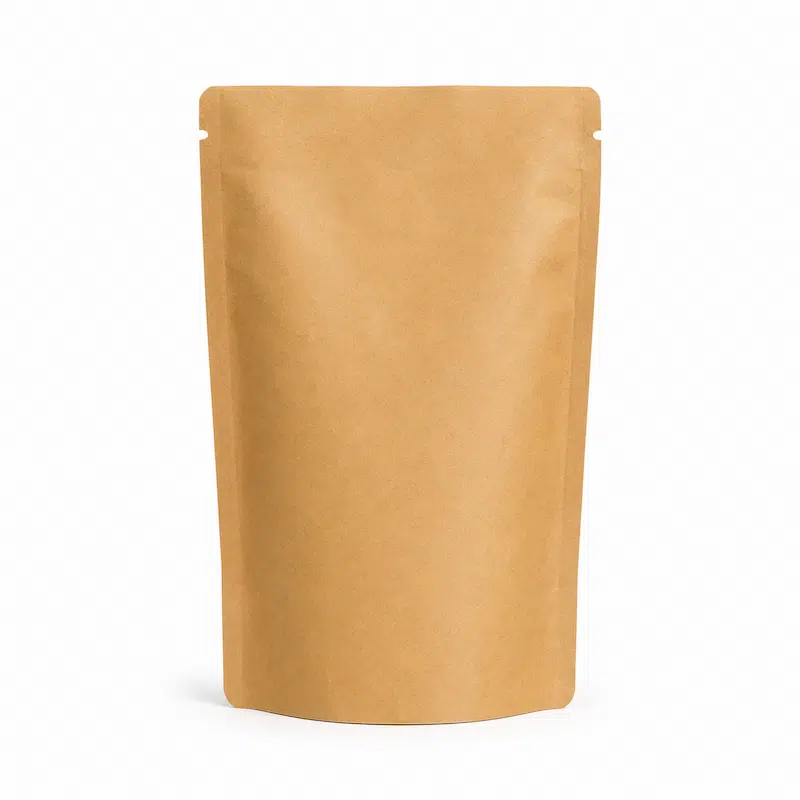
Standard stand up pouches are often used when brands need a balance of shelf presence, cost efficiency, and easy filling.
Stand Up Pouches with Zipper
A zipper allows customers to reseal the pouch after opening. This is useful for products that are consumed over multiple uses, such as coffee, snacks, pet treats, protein powder, spices, and dried fruit.
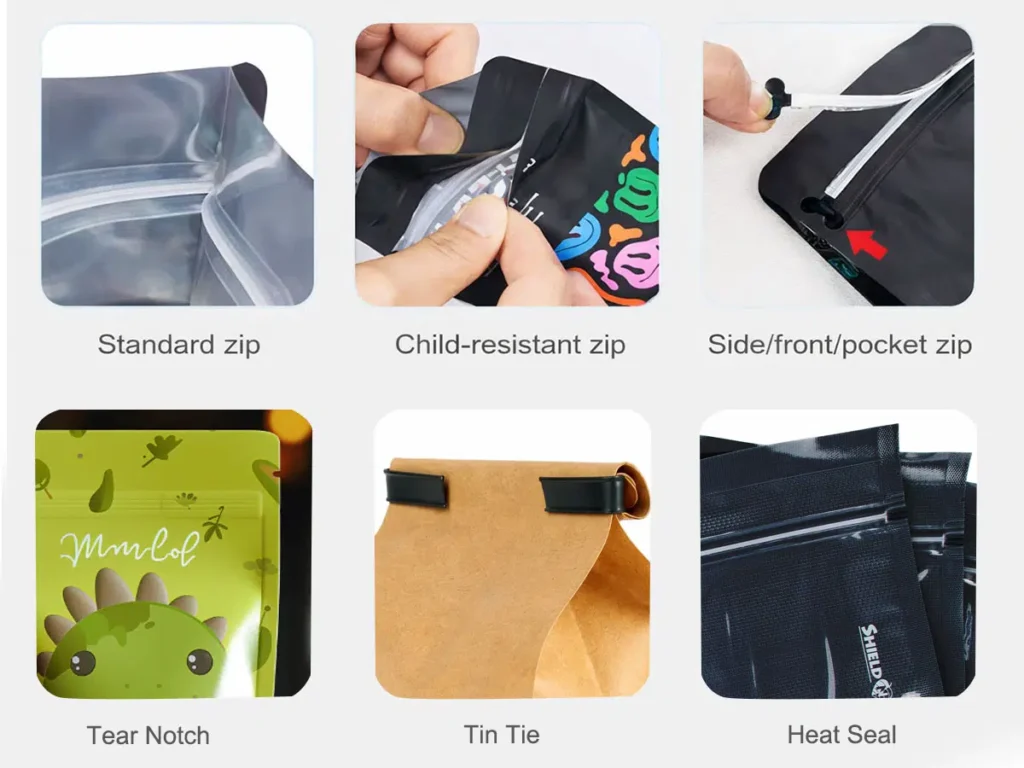
If freshness and convenience matter to your customers, a zipper is often one of the first features to consider.
Stand Up Pouches with Window
A clear window lets shoppers see the product inside. This can build trust, especially for natural foods, tea, granola, pet treats, nuts, candy, and handmade products.
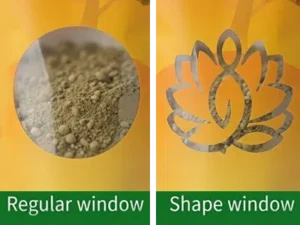
Window size and placement should be intentional. A small window can look premium, while a large window can make the product itself the visual focus.
Spouted Stand Up Pouches
Spouted pouches are designed for liquids, gels, sauces, refills, and some powders. They often include a cap for controlled pouring and resealing.
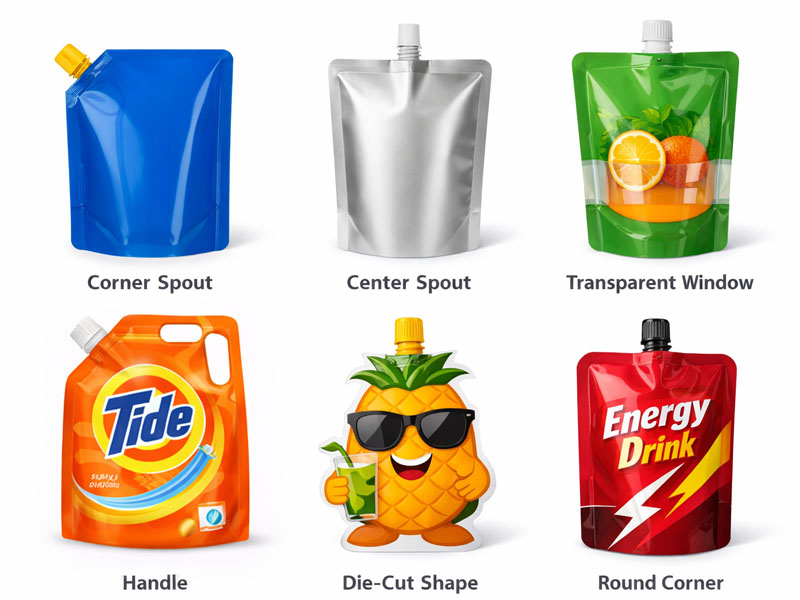
They are commonly used for baby food, beverages, energy gels, cleaning refills, sauces, and personal care products.
High-Barrier Stand Up Pouches
Barrier pouches protect products from oxygen, moisture, light, and aroma loss. They are important for coffee, protein powder, snacks, pet food, supplements, and products with sensitive ingredients.
For shelf-stable products, barrier performance is one of the most important packaging decisions.
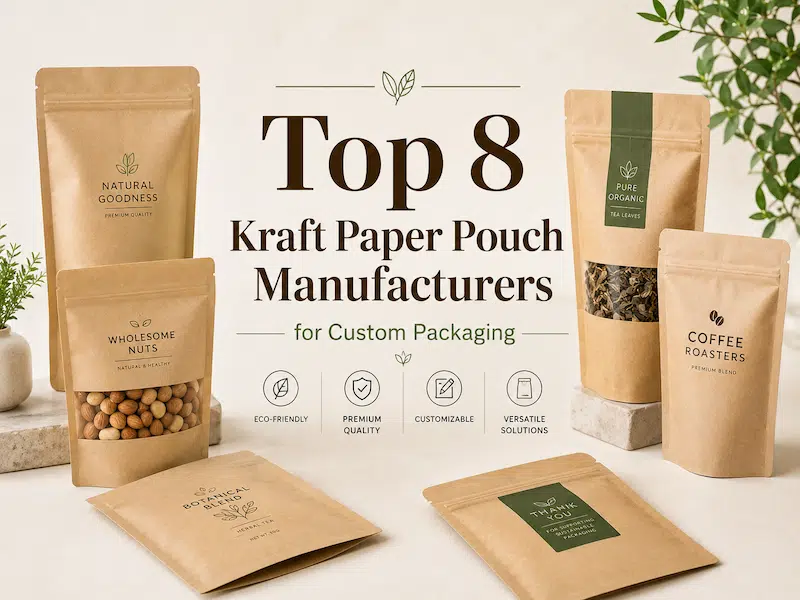
Kraft Paper Stand Up Pouches
Kraft paper pouches are popular for brands that want a natural, organic, handmade, or eco-conscious look. They are often used for tea, coffee, snacks, powders, herbs, and specialty foods.
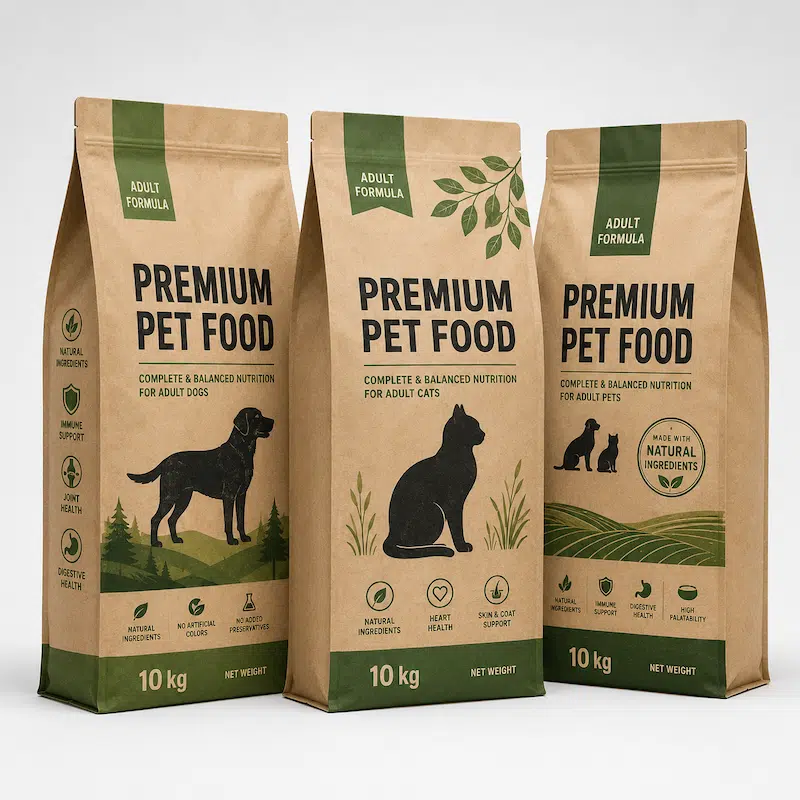
However, the kraft paper layer is usually only one part of the pouch structure. The inside may still require a plastic, foil, or barrier film layer depending on the product.
How to Choose the Right Stand Up Pouch
The best pouch is the one that fits your product first, then your brand.
Before choosing materials, colors, or printing, work through the main buying questions below.
| Decision area | Question to answer | Why it matters |
|---|---|---|
| Product condition | Is the product dry, liquid, oily, powdered, or fragile? | This affects material, seal strength, filling method, and leakage risk. |
| Protection | Does it need protection from oxygen, moisture, light, or aroma loss? | Barrier requirements directly affect shelf life and material cost. |
| Customer use | Will customers use it once or reopen it many times? | Multi-use products usually need a zipper, spout, or other closure. |
| Sales channel | Will it be sold online, in retail stores, or both? | Retail needs shelf impact; e-commerce needs stronger shipping durability. |
| Production | Does the pouch need to run on automatic filling equipment? | Machine compatibility affects size, film stiffness, seal area, and tolerances. |
| Compliance | What certifications or market requirements apply? | Food, supplements, child-resistant products, and export markets may need extra checks. |
| Budget | What price point does the final product need to hit? | The pouch should support the product margin, not quietly eat it. |
These questions help you avoid two common mistakes: choosing a pouch that looks good but does not protect the product, or choosing an overbuilt pouch that increases cost without adding real value.
Stand Up Pouch Materials
Material selection affects shelf life, appearance, recyclability, print quality, and cost.
Most stand up pouches use laminated structures. A pouch may include PET, PE, nylon, aluminum foil, metallized film, kraft paper, or other specialty layers. Each layer has a job.
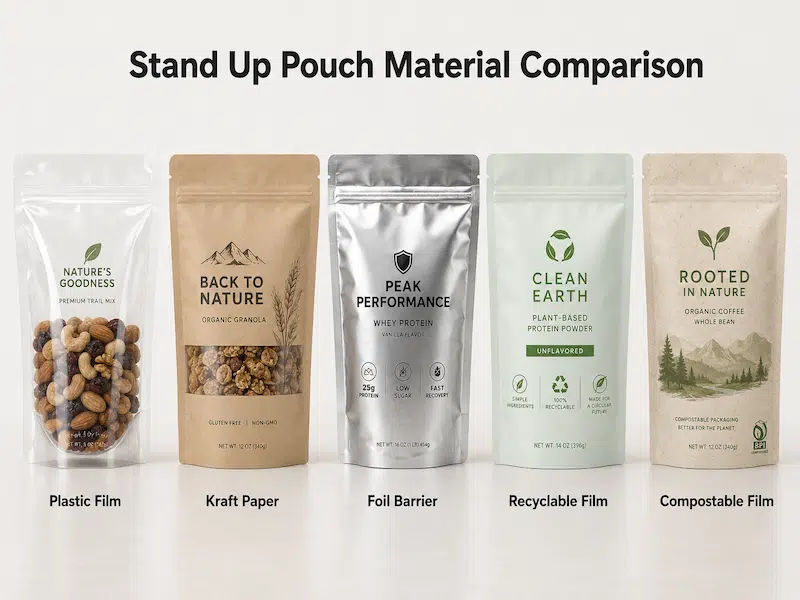
Plastic Film
Plastic film pouches are lightweight, durable, and versatile. They can be clear, white, matte, glossy, metallized, or printed with full-color graphics.
They are widely used because they provide reliable sealing and can be adapted to many barrier requirements.
Foil and Metallized Film
Foil and metallized structures provide stronger barrier protection. They are useful when the product is sensitive to oxygen, moisture, light, or aroma loss.
Coffee, supplements, powders, snacks, and high-value food products often use high-barrier structures.
Kraft Paper
Kraft paper gives the pouch a natural look and tactile feel. It is often used for organic, handmade, specialty, or premium products.
But kraft paper alone is not enough for many products. If your product needs moisture or oxygen protection, the pouch still needs an appropriate inner barrier layer.
Recyclable Materials
Recyclable stand up pouches are becoming more common, especially mono-material PE or PP structures. They are designed to improve recyclability compared with traditional multi-material laminates.
The tradeoff is that recyclable structures may have different barrier, stiffness, heat resistance, or print limitations. Always confirm whether the material works for your product and distribution conditions.
Compostable Materials
Compostable pouches can be attractive for brands with strong sustainability positioning. They may be suitable for certain dry goods and short-to-medium shelf life products.
However, compostable packaging requires careful evaluation. Barrier performance, certification, storage conditions, and local composting infrastructure all matter.
Important Stand Up Pouch Features
Features should make the product easier to use, protect, display, or fill.
A zipper is ideal for multi-use products. A tear notch improves opening. A valve is useful for freshly roasted coffee. A window helps customers see natural products. A spout helps with liquids. A hang hole supports peg display. Rounded corners can improve handling and reduce sharp edges.
For premium packaging, the finish also matters. Matte finishes can feel soft and modern. Glossy finishes can make colors more vivid. Spot effects can highlight logos or product names.
Choose features based on customer behavior. If people open the pouch daily, convenience matters. If the product competes on a crowded shelf, visibility and print quality matter. If it ships through e-commerce, durability matters.
Stand Up Pouch Design Considerations
Good stand up pouch design is not only about decoration. It should help customers understand the product quickly.
The front panel should answer the shopper’s first questions quickly: what the product is, what makes it different, whether it is the right size or flavor, and whether the brand feels trustworthy.
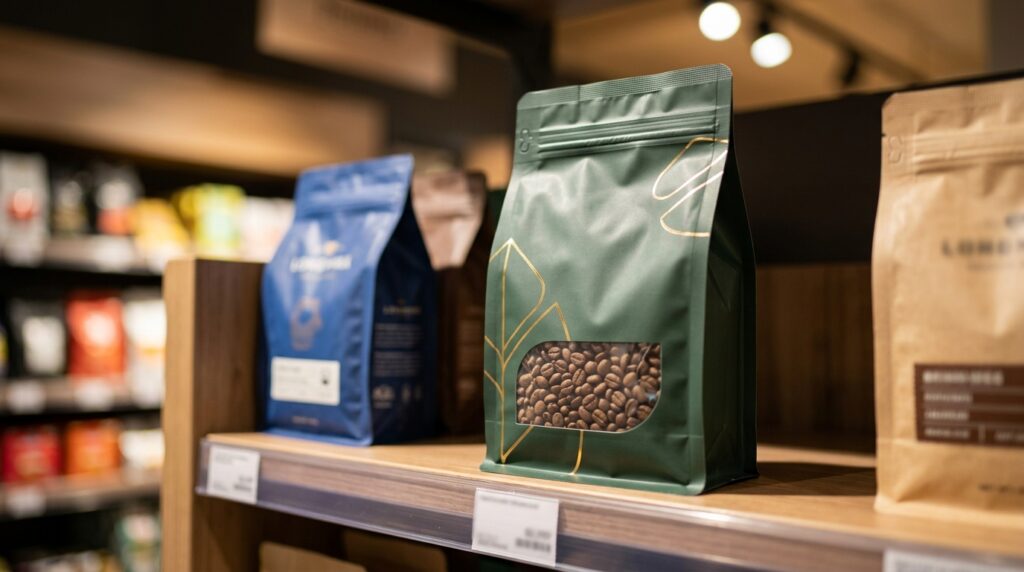
The back panel can carry more detailed information, such as ingredients, directions, certifications, nutrition facts, barcode, batch information, and brand story.
For custom printed stand up pouches, the most important design checks are:
| Design area | What to check |
|---|---|
| Product name | It should be readable from a normal shopping distance. |
| Brand area | Leave enough quiet space around the logo so the pouch does not feel crowded. |
| Claims | Keep benefits short and easy to scan. |
| Dieline | Do not place critical text too close to seals, folds, zippers, tear notches, or gussets. |
| Contrast | Make sure text stays readable on the final material, not only on a screen mockup. |
| SKU system | Prepare separate artwork for each size, flavor, formula, or market version if needed. |
If you already have a detailed design article, this section is a natural place to link to it:
Printing Options for Stand Up Pouches
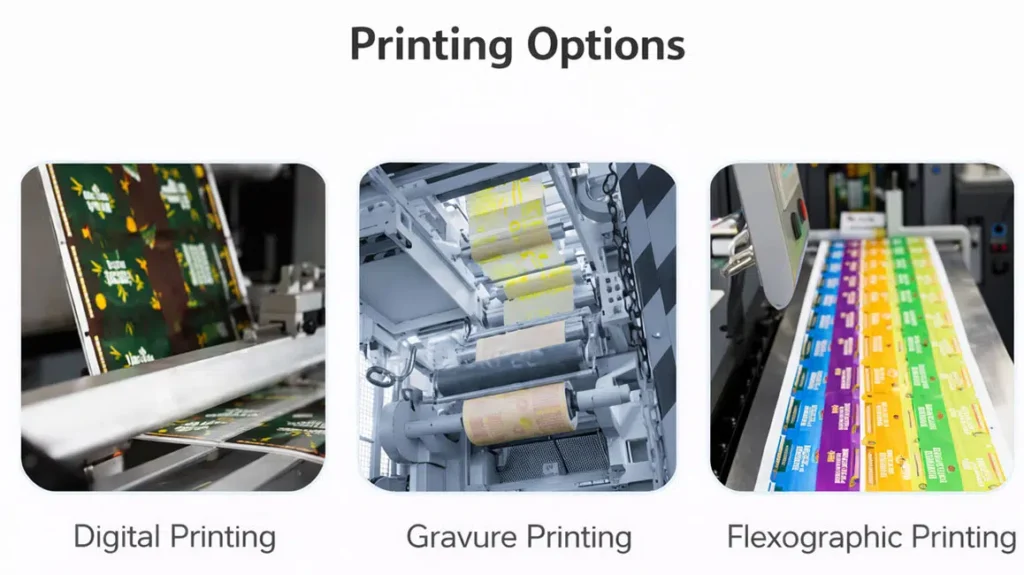
The right printing method depends on order quantity, artwork complexity, lead time, and budget.
| Printing method | Best for | Main advantage | Watch out for |
|---|---|---|---|
| Digital printing | Product launches, short runs, seasonal packaging, multiple SKUs | Lower setup cost and faster artwork flexibility | Unit cost may be higher for large runs |
| Gravure printing | Mature products with stable artwork and larger volumes | Excellent print quality and consistent color | Higher setup cost because cylinders are required |
| Flexographic printing | Many flexible packaging projects at medium to large quantities | Can be cost-effective depending on design and material | Color and detail should be confirmed with the supplier |
Your manufacturer should help you compare printing methods based on your order volume and artwork.
Stand Up Pouch Sizes and Capacity
Size selection should be based on both product weight and product density. A 250g coffee pouch does not necessarily have the same dimensions as a 250g powder pouch because different products fill space differently.
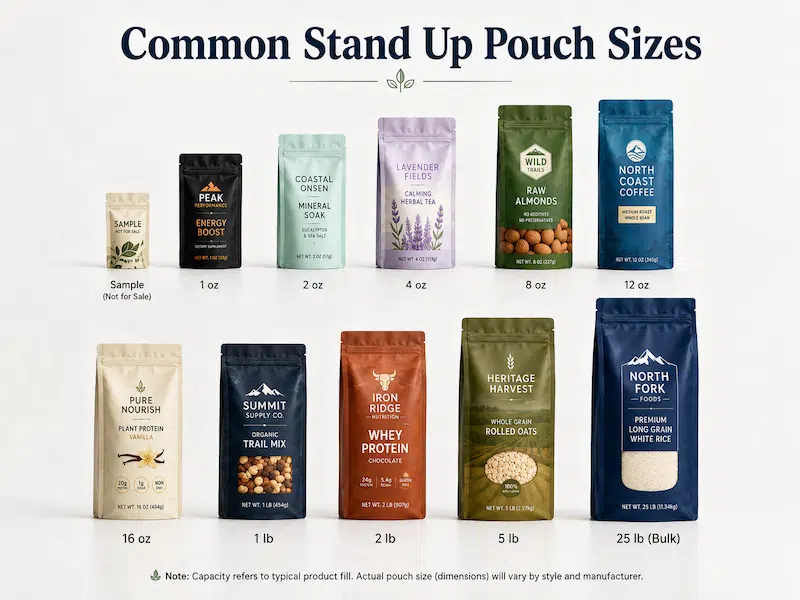
Common stand up pouch sizes include small sample pouches, 1 oz, 2 oz, 4 oz, 8 oz, 12 oz, 16 oz, 1 lb, 2 lb, 5 lb, and larger bulk formats.
Before confirming size, ask for a capacity test using your actual product, filled pouch photos or physical samples, top seal and bottom gusset measurements, carton packing quantity, shelf display fit, and shipping test recommendations.
Do not rely only on weight. Product volume, shape, and settling behavior can change how the pouch looks when filled.
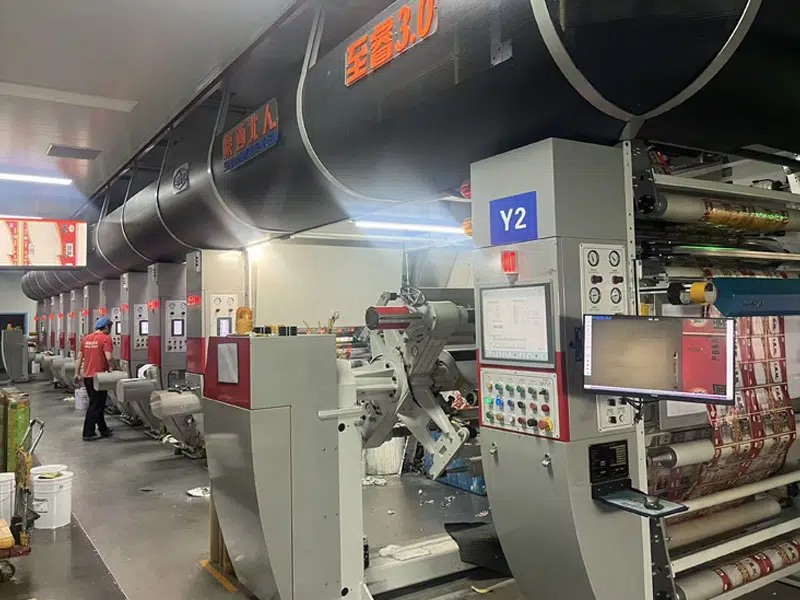
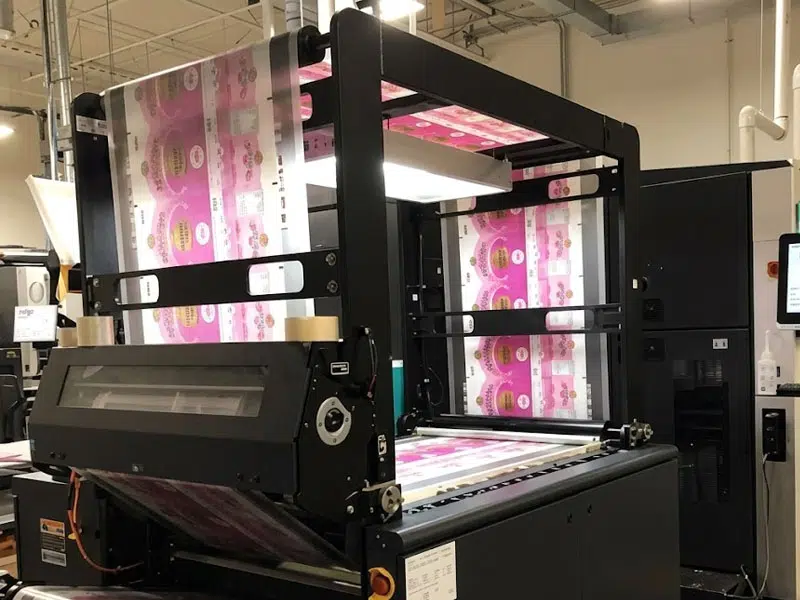
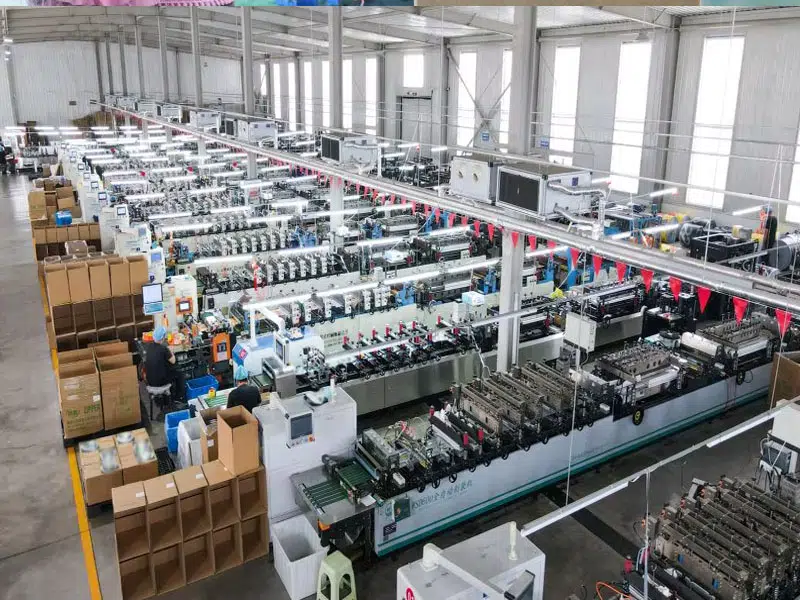
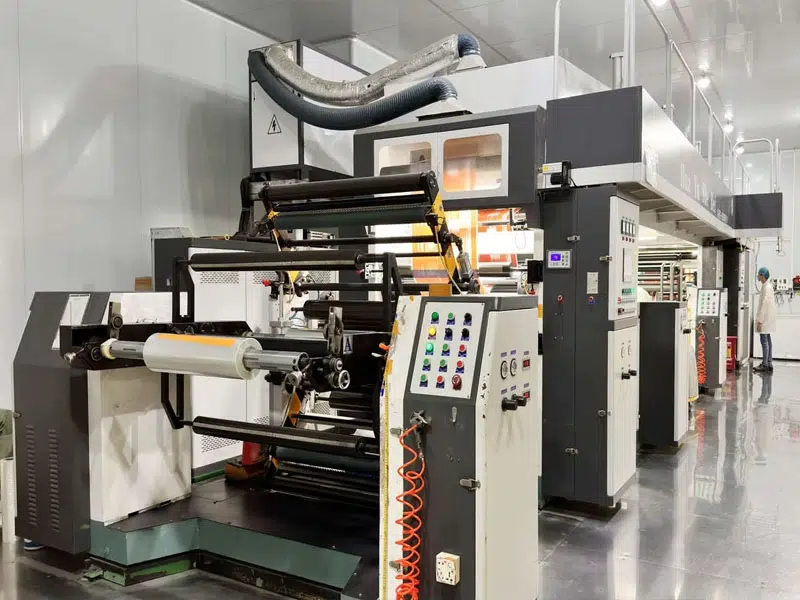
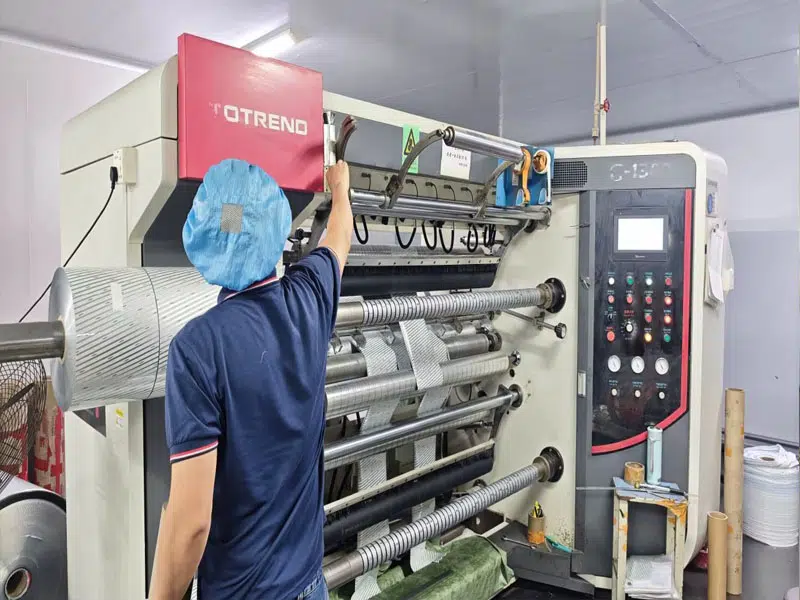
How Stand Up Pouches Are Made
Most stand up pouches follow a process like this:
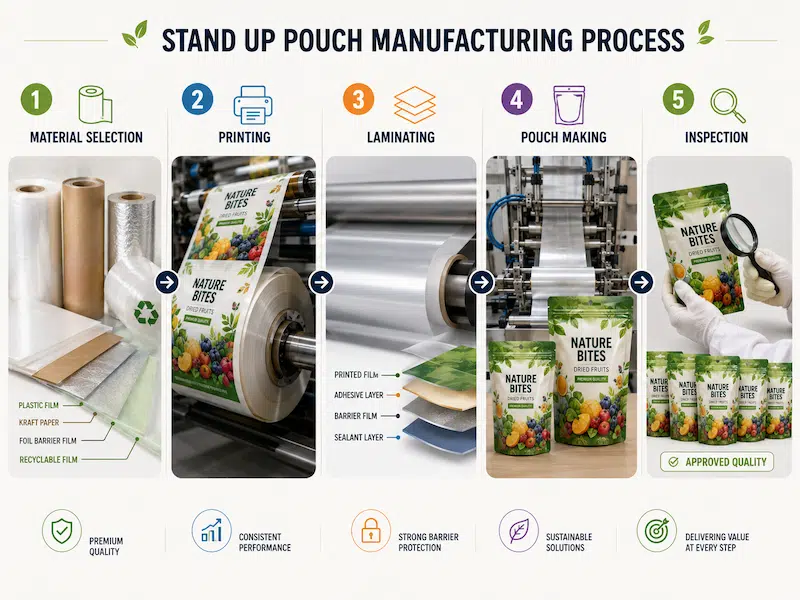
- Material structure is selected.
- Artwork is prepared on a dieline.
- Printing is completed.
- Films are laminated if needed.
- The material cures.
- The pouch is formed and cut.
- Features such as zipper, valve, or spout are added.
- Quality inspection is completed.
- Pouches are packed and shipped.
For food packaging, quality control is especially important. Seal strength, odor, lamination quality, dimensions, zipper function, and print accuracy should all be checked.
Choosing a Stand Up Pouch Manufacturer
The manufacturer you choose affects packaging quality, lead time, cost, and how smoothly your project moves from idea to production.
A good stand up pouches manufacturer should ask about your product, not just your pouch size. They should understand filling method, shelf life, barrier needs, packaging style, printing requirements, and compliance expectations.
When comparing stand up pouch manufacturers, use the questions below to separate a real packaging partner from a basic quote provider.
| What to evaluate | Questions to ask |
|---|---|
| Custom capability | Do they support custom sizes, custom materials, and custom printing? |
| Product fit | What material structure do they recommend for your product, and why? |
| Compliance | Can they provide food-grade or other relevant certifications? |
| Order flexibility | What is the minimum order quantity for each printing method? |
| Artwork support | Can they provide dielines and review artwork before production? |
| Sampling | Do they offer samples before mass production? |
| Quality control | What checks are performed for seal strength, dimensions, zipper function, odor, and print accuracy? |
| Production timing | What is the normal lead time, and what can delay it? |
| Color control | How do they handle color matching and production tolerances? |
How Much Does Stand Up Pouch Packaging Cost?
Stand up pouch cost depends on several factors, and not all of them are obvious at the first quote stage.
| Cost factor | How it affects price |
|---|---|
| Pouch size | Larger pouches use more material and may affect carton packing efficiency. |
| Material structure | High-barrier, foil, recyclable, or compostable structures can change unit cost. |
| Printing method | Digital, gravure, and flexographic printing have different setup and quantity economics. |
| Artwork versions | More SKUs, flavors, or sizes can increase setup complexity. |
| Order quantity | Larger runs usually reduce unit cost but require more inventory commitment. |
| Added features | Zippers, valves, spouts, windows, hang holes, and special finishes add cost. |
| Testing and certification | Food-grade, shelf-life, or export requirements may require additional verification. |
| Shipping method | Air freight is faster but more expensive; sea freight is usually better for planned bulk orders. |
In general, larger quantities reduce the unit cost, but they also require more inventory commitment. For a new product, it may be smarter to start with a lower MOQ or digital printing, then move to larger production runs once demand is proven.
The cheapest pouch is not always the best choice. A failed seal, poor barrier, or weak shelf appearance can cost more than the savings.
Common Mistakes to Avoid
Many packaging problems happen because decisions are made too quickly at the beginning.
One common mistake is choosing a pouch based only on appearance. A beautiful pouch can still fail if the barrier is wrong for the product.
Another mistake is using a standard size without testing the actual fill volume. The pouch may look underfilled, overstuffed, unstable, or difficult to seal.
Brands also sometimes place important design elements too close to the gusset, zipper, tear notch, or seal area. This can make the final pouch look less polished than the mockup.
For e-commerce products, durability is often underestimated. A pouch that looks fine on a shelf may need extra puncture resistance or carton protection for shipping.
Finally, sustainability claims should be handled carefully. If you use recyclable, compostable, or biodegradable packaging, make sure the claim is accurate, certified where needed, and understandable to customers.
Stand Up Pouch Packaging Checklist
Use this checklist before requesting a quote:
| Information to prepare | Example details |
|---|---|
| Product basics | Product type, fill weight, density, and whether it is dry, liquid, oily, or powdered |
| Pouch requirements | Target size, capacity, shelf life, barrier needs, and filling method |
| Features | Zipper, spout, valve, window, hang hole, tear notch, or special finish |
| Materials | Standard film, kraft paper, foil barrier, recyclable film, or compostable structure |
| Branding | Artwork status, number of SKUs, and whether dieline support is needed |
| Order plan | Estimated quantity, launch date, shipping destination, and required certifications |
The more complete your information is, the faster a supplier can recommend the right structure and provide an accurate quote.
Final Thoughts
Stand up pouch packaging is popular because it combines protection, shelf presence, convenience, and branding flexibility. But the best results come from matching the pouch to the product first.
Start with your product requirements. Then choose the pouch style, material, features, size, and printing method that support those requirements. A well-designed stand up pouch should protect the product, make the brand easier to understand, and help customers use the product with confidence.
If you are developing a new product or upgrading existing packaging, treat the pouch as part of the product experience. The right packaging can make your product easier to sell, easier to ship, and easier for customers to love.